

Sustainability
Why Sustainable Last-Mile Delivery Matters for Businesses


Key Takeaways
- Consumer demand for sustainable delivery is driving market growth, with the green technology sector projected to reach $417.35 billion by 2030 at a 21.6% annual growth rate.
- Companies demonstrating strong environmental responsibility gain 88% higher customer loyalty, making sustainable last-mile delivery a crucial factor for brand reputation and competitive advantage.
- Micro-fulfillment centers in repurposed spaces and optimized packaging strategies help reduce emissions while enabling faster local deliveries and improved urban logistics efficiency.
- Locus’ Dispatch Management Platform optimizes delivery routes to minimize driven miles and greenhouse gas emissions, helping businesses achieve sustainability goals while maintaining operational efficiency.
Climate change is a slow moving crisis. The dangers it poses are grave but not impossible to combat. It will require a herculean effort to re-invent and redefine climate technologies to carry out decarbonization and a global net zero emission is only possible in 2050 if the production of clean hydrogen and low-carbon energy carriers increase seven-fold.
This may be a far-fetched ambition, but it is a good one to have. The world has woken up to take action and the stakeholders are aplenty. The government, civil societies and businesses all have a vital role to play and must act in alignment to make climate change a part of our everyday lives.
Production and transportation activities are energy-intensive, but this also means the potential for implementing greener practices lay here. Sustainability can come about when environmental, economic and social issues are integrated into daily business operations.
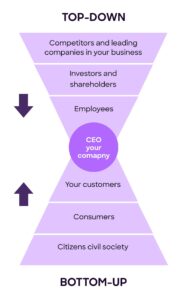
So what exactly does ‘going green’ mean for your supply chain as deliveries times grow shorter? How can businesses pay attention to supply chain sustainability as they scale?
Why Sustainability in the Last Mile Is No Longer Optional
The global green technology and sustainability market is expected to see tremendous growth—417.35 billion U.S. dollars by 2030, increasing at a compound annual growth rate of 21.6% from 2022 to 2030.
At the same time, the demand for urban last-mile delivery is forecast to grow by 78% by 2030, leading to 36% more delivery vehicles in the world’s top 100 cities. Deliveries will cause related emissions to rise by nearly one-third and add 11 minutes to each passenger’s commute.
Choosing a sustainable distribution channel that enables economic efficiency, will minimize costs, and reduce ecological impact while meeting consumer expectations. Creating an ‘ecosystem scenario’ in which both public and private players work together effectively, delivery emissions and congestion could be reduced by 30% until 2030.
Key Business Benefits of Sustainable Last-Mile Delivery
According to this report, consumers are 88% percent more likely to be loyal to companies that demonstrate strong social and environmental responsibility. Companies with business models that prioritize sustainability have a greater chance of wooing customers. Adding more sustainable last-mile delivery models can enhance the bottom line through greater efficiencies and boost the company’s brand image. Business and supply chain executives are also incentivized to spread awareness and come up with sustainable strategies.
Download the Ebook: Supply Chain Sustainability and Profitability with Green Logistics
How Sustainable Last-Mile Delivery Strengthens Profitability and Loyalty
- Cost control: Cost control not only means saving on variable costs but also lining them up against your business’ long-term goals. An optimum utilization of resources can aid this and reducing the number of empty miles can shrink carbon footprint and capture transportation cost savings.
- Building brand loyalty: According to this report, brands that take strong measures in favor of sustainability and environmental responsibility are 88% more likely to earn consumer loyalty. Consumers also demand transparency in the supply chain and a brand’s carbon footprint is watched by consumers and competitors alike. It is needless to say that the reputation for sustainable and transparent supply chain practices can give businesses a competitive edge.
- Minimizing risk: By keeping unscrupulous suppliers and manufacturers at bay, businesses can protect themselves from reputational damage. They can do this by tracking and documenting all the labor, handling, and materials components from source to destination.
How Businesses Can Improve Their Green Footprint Through Last-Mile Delivery
- Invest in carbon offsets: Businesses can invest in environmental projects around the world in order to balance out their own carbon footprints. Carbon offsetting is when we reduce emission in one area to make up for emissions made in another in order to achieve carbon neutrality. When businesses track fuel usage, miles driven, storage and energy consumption, they get an idea of what can’t be reduced at the moment and invest in a carbon offsetting program to balance the scales.
- Make green delivery an option: ?In the United Kingdom, customers are given the option to receive their deliveries later in favor of the environment. Locus’ batch planning can aid in carrying out these requests, by allowing businesses to process orders according to their unique needs. At the same time it can improve accuracy in order dispatching, easily prioritize and filter batches, and speed up packaging, shipping and last-mile delivery.
- Create a micro-fulfilment strategy: Usually set up in repurposed car parking spaces or at the back enclosures of existing retail outlets, micro-fulfilment offer flexible, faster and sustainable delivery options for both e-commerce and local store pickups. Enhanced distribution systems, including in-store click-and-collect points, automated lockers as well as stand-alone micro-warehouse facilities can reduce harmful emissions and traffic congestion.
- Pack deliveries efficiently: By rethinking their packaging strategy, brands can significantly reduce their carbon footprint. Opting for recyclable and green packing materials, reducing packaging materials, minimizing waste and optimizing packing dimensions to fit more parcels per vehicle are some ways this can be done.
- Embrace tech tracking: Real-time visibility can help maintain high levels of communication leading to fewer missed deliveries and less time spent on the road. It provides objective data and operational visibility of transport activities, the former of which can be used to optimize daily operations and reduce carbon footprint.
Businesses, policy makers, financial institutions need to work together to bring about a socially inclusive, environmental evolution for a better planet. Efficiency and sustainability are inexplicably intertwined and a green supply chain has permanent business value. Last-mile technologies can encourage those on the ground to carry out sustainable practices. Every step we take towards making deliveries speedy, efficient and optimal can get us there. Adopting a logistics solution such as the Locus Dispatch Management Platform, will optimize routes to reduce the number of miles driven, save on greenhouse gas emissions and reduce your business’ overall carbon footprint.
Want to create rich sustainability metrics and minimize emissions with effective batch planning? Book a demo with us!
Sources:
??https://www.accenture.com/us-en/insights/consulting/sustainable-last-mile-delivery
https://www.forbes.com/sites/forbesbusinesscouncil/2021/09/13/five-ways-to-make-your-delivery-business-more-sustainable/?sh=5b0709463eec
https://www.theguardian.com/environment/2011/sep/16/carbon-offset-projects-carbon-emissions
https://www.inboundlogistics.com/articles/clarifying-the-business-case-for-green-supply-chain-management/
https://www.sap.com/insights/what-is-a-sustainable-supply-chain.html
https://www.sap.com/insights/green-logistics.html
https://www.entrepreneur.com/science-technology/retailers-powerful-role-in-a-more-sustainable-last-mile/425049
https://www.sciencedirect.com/science/article/abs/pii/S0925527320301328?fr=RR-2&ref=pdf_download&rr=74e92bf25810a931
https://www.dista.ai/blog/how-to-make-your-last-mile-delivery-sustainable/
https://www.weforum.org/press/2020/01/urban-deliveries-expected-to-add-11-minutes-to-daily-commute-and-increase-carbon-emissions-by-30-until-2030-without-effective-intervention-e3141b32fa/
Frequently Asked Questions (FAQs)
What is “sustainable last-mile delivery”?
A concise explanation of what sustainable last-mile delivery is, with key components (eco-friendly vehicles, route optimization, packaging, etc.), to set context.
Why should businesses prioritise sustainability in last-mile logistics?
Benefits include improving brand reputation, meeting regulatory requirements, reducing costs, satisfying customer expectations, and reducing carbon footprint.
How does sustainable last-mile benefit customers and stakeholders?
Describes better customer experience (transparency, eco-friendly delivery options), environmental impact, long-term trust, etc.
What are the main challenges businesses face when implementing sustainable last-mile solutions?
Upfront investment (vehicles, infrastructure), regulatory or infrastructure constraints (charging stations, city restrictions), complexity of integrating new processes/technology.
What metrics should businesses use to measure last-mile sustainability?
KPIs like carbon emissions per delivery / per mile, fuel/energy consumption, vehicle utilization, number of “green” deliveries, packaging waste, and % of electric/fuel-efficient fleet.

Blog
World Post Day: How Postal Services Became The Bedrock of Modern-Day Last-Mile Deliveries

Oct 9, 2022
Key Takeaways We’re living in the age of consumerism driven by convenience. Convenient shopping and high-speed deliveries are redefining logistics today. Everything is at our fingertips, and literally, anything can be delivered to our doorstep within days or even hours! It’s all possible because of the power of technology and innovations in the last mile. […]
Read more
General
5 Ways To Ace Last-Mile Reverse Logistics

Oct 17, 2022
It is important to ace your last-mile reverse logistics to win customers’ trust, drive high revenues, and to manage reverse logistics seamlessly.
Read moreInsights Worth Your Time
















Why Sustainable Last-Mile Delivery Matters for Businesses