

General
What Is Strategic Route Planning? A 2025 Guide

Key Takeaways
- Delivery networks are becoming more fragmented, with overlapping SLAs, fluctuating demand, and rising cost-to-serve.
- Most routing inefficiencies stem from poor territory design, unbalanced fleet allocation, and reactive planning cycles.
- Strategic route planning solves these problems by defining service zones, vehicle deployment rules, and fulfillment logic before execution.
- Common models include static routing, dynamic routing within fixed zones, and continuous optimization—each suited to specific network conditions.
- Logistics teams need integrated systems to connect long-range planning with real-time execution.
- Locus enables this by combining territory modeling, orchestration, and analytics into one platform built for strategic routing at scale.

Logistics leaders managing high-volume deliveries across retail, e-commerce, and distribution networks face three persistent challenges: delivery density fluctuates unpredictably, SLAs grow tighter across fragmented order channels, and costs rise as fulfillment models shift toward hyperlocal hubs.
Common questions emerge: How can we build sustainable routing networks that adapt to change? What’s the long-term plan for reducing cost-to-serve without overextending fleet or staff? These issues continue because routing often remains a reactive, day-to-day function, disconnected from broader planning, territory design, and capacity forecasting.
Strategic route planning addresses this disconnect. AI analyzes demand trends, geography, and SLA parameters to generate optimal territory and fleet configurations, helping teams design networks that scale predictably.
In this blog, we break down the components of strategic routing and show how Locus enables smarter, data-backed delivery network design through its orchestration and planning capabilities.
What Is Strategic Route Planning?

Strategic route planning involves defining territory boundaries, vehicle deployment rules, and delivery workflows based on anticipated demand, service levels, and cost targets. It operates over a long-term horizon and shapes how the delivery network functions under different business scenarios, such as seasonal spikes or regional expansion.
Instead of focusing on daily order volumes, strategic planning determines which fulfillment nodes serve which zones, how resources are distributed across those zones, and which service models, owned fleet, third-party, or hybrid, should be prioritized. It provides the structural logic that supports day-to-day dispatch operations without relying on constant manual adjustments.
By aligning routing architecture with business strategy, logistics teams can ensure delivery networks remain stable as volumes grow, constraints shift, or new regions come online.
Suggested read: Key Strategy to Optimize Delivery Routes
Why Strategic Route Planning Matters Today
As delivery networks expand across SKUs, order types, and customer commitments, routing based on static zones or fixed schedules creates friction between demand and execution. Most inefficiencies stem from a lack of strategic alignment, where zones, fleet, and SLAs are managed in silos rather than through a unified, data-informed model.
Strategic route planning fills that gap by helping logistics teams redesign how the network is structured before orders hit the dispatch queue.
Challenges in Strategic Delivery Operations
- Multiple delivery models operating in parallel, retail, e-commerce, and wholesale, create inconsistent routing logic across shared infrastructure.
- Demand fluctuations across zones strain static routing plans, resulting in underused vehicles in some areas and overloads in others.
- Escalating last-mile costs, particularly in tier-2 and low-density markets, reduce route efficiency when planning lacks visibility into stop-level data.
- Territory design decisions disconnected from dispatching tools lead to frequent exceptions, SLA breaches, and manual rerouting.

Benefits of Applying Strategic Route Planning
When integrated into delivery planning, strategic routing enables teams to:
- Redraw service zones to reflect actual delivery behavior, not just geographic assumptions
- Distribute fleet based on expected load volume, driver availability, and turnaround time
- Use simulation to test how delivery networks respond to volume spikes or regional changes
- Optimize the balance between owned and outsourced fleet across specific territories
A mid-sized distributor resolving metro backlogs during promotional weeks applied these principles to rebalance zone assignments and reallocate vehicle types. Rather than expanding capacity, they improved fulfillment timing by restructuring how delivery points were grouped and served.
Key Components of Strategic Route Planning
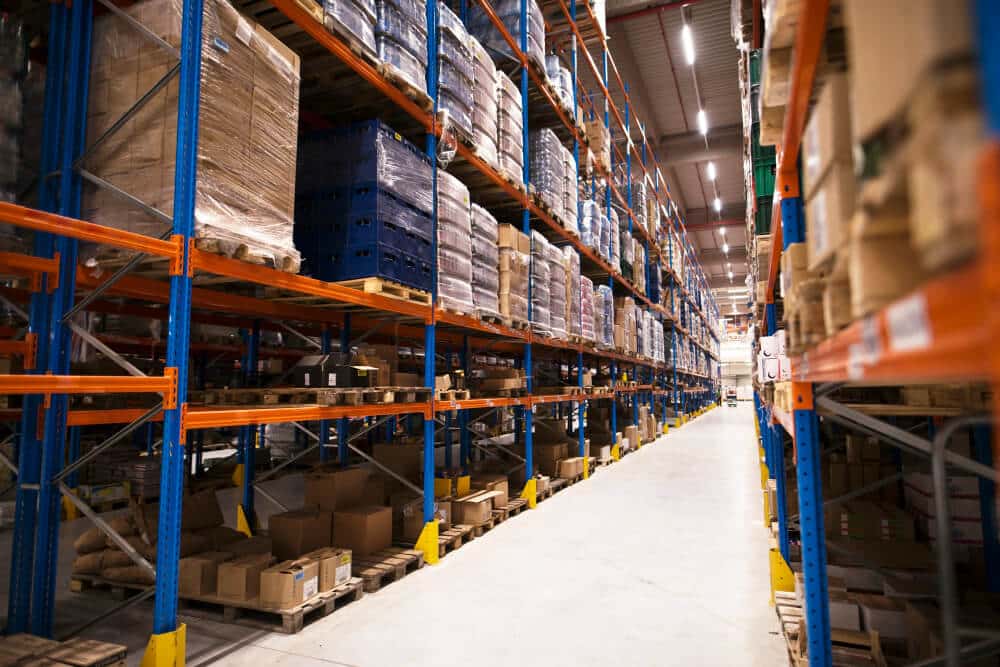
Strategic route planning involves designing the core delivery structure to align with long-term service, cost, and capacity goals. Each component plays a specific role in building a stable, scalable logistics network.
Territory and Zone Design
Territory planning defines which fulfillment node serves which area and how demand is distributed across zones. Instead of drawing boundaries based on arbitrary geography, strategic planners use delivery density, average travel time, and stop volume to segment service regions. A well-balanced zone reduces route overlap and helps maintain route consistency during peak periods.
Fleet Mix and Allocation
Each delivery zone has a distinct operational profile, vehicle type, load volume, and road accessibility vary widely across urban, suburban, and rural regions. Strategic route planning aligns these profiles with appropriate fleet configurations, ensuring the right vehicle is assigned to the right zone. This alignment helps control cost-per-delivery and improves utilization across the fleet.
SLA and Time Window Structuring
Service levels directly shape routing complexity. When strategic planning accounts for delivery time windows, customer handling requirements, and order priority tiers, it prevents infeasible route assignments. Planners use these constraints to evaluate how zones should be sequenced or split to meet service promises without overcommitting resources.
Fulfillment Node and Hub Planning
Warehouse and hub placement influences not only route lengths but also how quickly vehicles return, reload, and redeploy. Strategic planning models proximity to dense demand clusters, traffic patterns, and stop duration to determine where to expand, consolidate, or reassign fulfillment locations. These decisions reduce average delivery distance and increase capacity without adding fleet.
Platforms like Locus DispatchIQ and Delivery Orchestration Software integrate these variables to help logistics teams simulate delivery configurations before implementation. By translating historical data into network logic, they enable route design that adapts as demand shifts.
Common Routing Strategies in Strategic Planning
Strategic routing decisions determine how delivery networks function across different regions, order types, and fulfillment models. The three primary routing strategies, static, dynamic with fixed zones, and continuous optimization, offer distinct advantages based on delivery complexity and variability.
Static Routing
In static routing, each vehicle follows a fixed route and schedule with minimal deviation. It is suited for delivery environments where volumes, customer locations, and time windows remain consistent over time. For instance, a dairy supplier serving the same supermarket locations every morning relies on static routing to ensure predictability and operational simplicity.
Dynamic Routing with Fixed Zones
This strategy uses predefined service territories but recalculates the optimal stop sequence within each zone based on daily inputs such as order volume, traffic, and driver availability. A retail brand managing last-mile e-commerce deliveries from urban dark stores might assign drivers to fixed zones while dynamically adjusting the route order each day to reflect updated orders and road conditions.
Continuous Optimization
Networks with fluctuating order patterns and high SLA sensitivity benefit from continuous optimization, where routing logic is recalculated at regular intervals using real-time data. A pharmacy delivery provider using regional hubs to fulfill time-sensitive prescriptions may reassign zones, vehicle loads, and stop sequences multiple times a day to align with clinic requests, road closures, or staff availability.
Strategic planners assess when each strategy should be deployed, how it integrates with infrastructure, and what operational maturity is required to support it. Selecting the appropriate model enables logistics teams to balance efficiency with flexibility while maintaining control over service quality.
Strategic vs. Operational Routing: What’s the Difference?
Strategic and operational routing serve distinct purposes within logistics planning. One establishes a long-term delivery structure; the other responds to daily fulfillment inputs within that structure. Aligning both functions is essential for scalable and efficient delivery operations.
| Dimension | Strategic Routing | Operational Routing |
| Planning Scope | Defines delivery zones, fleet distribution, and depot assignments | Executes order assignments, route sequencing, and driver dispatch |
| Timeframe | Evaluated on a multi-week or quarterly basis | Managed on a daily or shift-by-shift cadence |
| Primary Inputs | Historical demand, SLA rules, zone-level volume trends | Live order flow, vehicle location, driver schedules, traffic updates |
| Change Frequency | Adjusted during re-forecast cycles or network reviews | Adjusted in real time based on constraints and exceptions |
| Example Output | Territory blueprint showing how service regions map to fleet and hubs | Daily route plan with stop-level assignments per vehicle |
| Locus Capabilities | DispatchIQ, Logistics Analytics & Insights | Auto-dispatch, Control Tower, Track and Trace |
Strategic routing defines the structure, where each vehicle operates, which zones connect to which fulfillment points, and how delivery load is distributed across the network. Operational routing takes these structural decisions and applies them to day-specific conditions such as rush-hour delays, missed scans, or route exceptions.
Locus enables both layers to function cohesively. While DispatchIQ models territory and fleet logic for long-term planning, the Control Tower and Auto-dispatch modules translate those plans into real-time routing decisions that preserve performance targets.
Best Practices for Strategic Route Planning in 2025
Strategic routing must account for regional demand, service constraints, and fleet performance. The following practices ensure delivery networks are designed for precision, not just coverage:
- Define zones using stop density and route time
Avoid relying on postal or administrative boundaries. Use delivery volume, travel duration, and repeat visit rates to segment territories. - Integrate SLA rules into territory design
Map time windows, product handling needs, and customer restrictions to specific zones. Use these rules to drive zone size, vehicle type, and shift timing. - Align fleet mix with zone characteristics
Match vehicle types to terrain, delivery density, and road access within each region. Avoid blanket fleet assignments across zones with different constraints. - Test routing outcomes before rollout
Simulate zone adjustments, hub additions, or route redesigns using historical and forecasted data. Compare results across cost, fulfillment time, and vehicle utilization. - Feed operational data back into planning
Use patterns in failed stops, idle vehicles, and SLA breaches to revise territory boundaries and fleet distribution. - Connect planning and dispatch systems
Ensure fleet logic, zone definitions, and order rules are enforced through the same orchestration layer. Avoid disconnects between strategic design and daily execution.
Locus enables this level of integration, allowing teams to design, test, and execute strategic routing decisions from a single platform.
How Locus Powers Strategic Route Planning
Designing a scalable delivery network requires more than reactive dispatching tools. It demands platforms that model territory logic, evaluate service trade-offs, and operationalize long-term routing plans across geographies and constraints. Locus enables this through a suite of capabilities purpose-built for strategic logistics planning.
DispatchIQ gives planners control over territory design by mapping historical delivery patterns against real-world constraints, vehicle capacity, service time windows, and stop clustering. It allows logistics teams to compare alternative zoning models side-by-side and forecast the operational impact of each before rollout.
Delivery Orchestration Software translates these network-wide decisions into executable workflows. It merges depot-level constraints, route logic, vehicle availability, and SLA rules into a unified layer, ensuring that what’s planned during design holds up during execution.
Logistics Analytics & Insights identifies underperforming zones, inefficiencies in vehicle assignment, and route-level deviations from plan. Rather than relying on manual review or anecdotal feedback, planners gain structured visibility into how territory and fleet choices affect fulfillment performance and cost.
Together, these tools enable logistics leaders to transition from static network assumptions to adaptive, data-informed routing strategies. Locus equips teams to redesign their delivery architecture, zone by zone, vehicle by vehicle, without disrupting daily operations.
Why Strategic Planning Is Critical to Scalable Delivery
Delivery networks built on ad hoc routing tend to suffer from inconsistent service coverage, vehicle underutilization, and last-minute workarounds. These outcomes stem from the absence of long-range planning, where fleet capacity, zone logic, and SLA constraints are addressed only after problems emerge.
Strategic route planning resolves that gap by shifting decision-making upstream. It allows logistics teams to define where each vehicle operates, how capacity is distributed across zones, and what rules govern delivery timing and fulfillment mode. These decisions form the structure that operational routing depends on.
Locus equips planners to implement and sustain that structure. With DispatchIQ, they can redesign service territories using delivery data and simulate the impact of network changes before rollout. The Delivery Orchestration Software translates strategic models into executable workflows, while Logistics Analytics & Insights identifies friction points that require structural correction.
To evaluate how Locus supports strategic routing at enterprise scale, schedule a demo.
Frequently Asked Questions (FAQs)
1. Who should own strategic route planning in a logistics organization?
Strategic route planning typically sits with network planners or central logistics strategy teams, not dispatchers. It requires cross-functional inputs from operations, planning, and analytics.
2. How often should strategic routing plans be updated?
Update plans quarterly or when major changes occur, new regions, product lines, or fulfillment models. Volume spikes or persistent SLA issues can also trigger redesigns.
3. What data is essential for strategic route planning?
Delivery volume by zone, stop density, vehicle performance, SLA compliance rates, and historical route deviations are critical inputs.
4. Can strategic routing improve outsourcing decisions?
Yes. It helps identify which zones perform better with owned fleet versus third-party carriers by comparing cost-to-serve and SLA adherence across territories.
5. Is strategic routing relevant for smaller fleets?
Absolutely. Even regional networks benefit from zone-level planning to reduce empty miles, balance workloads, and scale without adding vehicles.

General
Route Mapping 101: Meaning, Tools, and Importance
Jul 24, 2025
Route mapping is essential for delivery efficiency in 2025. Learn its meaning, tools, benefits, and how Locus supports smarter logistics effortlessly.
Read more
General
Courier Routes: Strategies to Maximize Speed, Coverage & Profitability
Jul 28, 2025
Learn what is a courier route? Its importance in 2025, key strategies to optimize courier routes and key aspects to look for in courier route planning software
Read moreInsights Worth Your Time















What Is Strategic Route Planning? A 2025 Guide