

Route Optimization
Route Optimization vs Google Maps: Key Differences in 2026


Key Takeaways
- Advanced route optimization software considers multiple business constraints like vehicle capacity, driver skills, and delivery windows, while Google Maps only provides basic point-to-point navigation.
- Route optimization solutions can automatically sequence multiple stops and dynamically adjust routes in real-time, eliminating the manual planning required with basic mapping tools.
- Companies using route optimization can reduce fuel costs by up to 30% while improving delivery accuracy through intelligent dispatch planning and live fleet tracking.
- Locus.sh’s AI-powered route optimization platform enables end-to-end logistics automation with smart vehicle allocation, real-time tracking, and automated dispatch planning to maximize operational efficiency.
When carrying out complex logistics operations for a business, a number of other important factors must be considered. You need a smart solution that can automate your end-to-end logistics activities, save costs and reduce human dependency. Google Maps routes or other web route mapping services are not capable of doing that. That’s where advanced route optimization software comes to the rescue.
What Is the Difference Between Google Maps And Route Optimization Software?
Typically, when you enter your start and end locations on Google Maps, it geocodes the two points on a digital map. Google’s advanced algorithms consider real-time traffic and road conditions to provide the shortest possible route as well as the Expected Time of Arrival (ETA) from point A to B.
Google Maps can plan multi-stop routing, but it is best-suited for simple routing scenarios and may not necessarily offer the most optimal route when you have more than five stops.
In case of multiple stops:
If you must plan a more complex journey with multiple stops, you would have to manually enter every location on Google Maps and decide the order of stops yourself. Route Optimization, on the other hand, offers a range of added features that go above and beyond simple route planning.
Route Optimization uses AI & ML algorithms to plan the most optimal sequence of stops with traditional and static planning capabilities. And also real-time and dynamic routing and multi-stop route planning to support on-demand logistics operations.
When Should You Use Google Maps for Your Delivery Business
Google Maps is one of the most accessible navigation tools for small delivery operations. It works well when your delivery volume and planning needs are still simple, and when manual coordination doesn’t slow down your workflow.
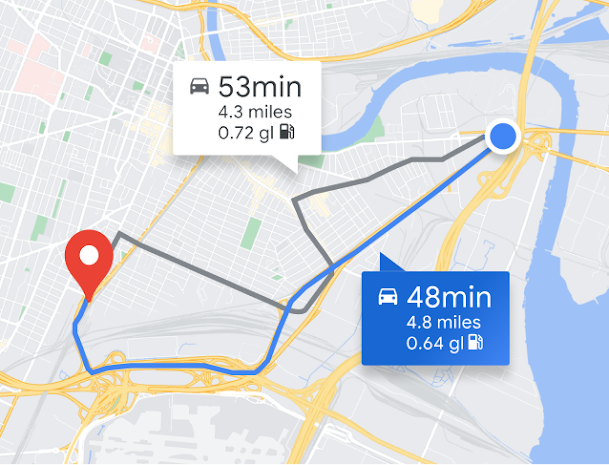
You can rely on Google Maps if your delivery business meets these conditions:
- You handle fewer than 10 delivery stops per route.
- You operate with one or two drivers who can manually plan or reorder stops.
- You don’t have complex delivery constraints, such as time windows, priorities, or order dependencies.
- Your deliveries are made using two-wheelers or bicycles, where short-distance navigation is more critical than optimization.
- You’re comfortable with manual route sequencing and entering addresses individually.
In these cases, Google Maps provides an affordable, straightforward way to plan routes and estimate ETAs. It’s especially useful for small retail stores, local bakeries, or courier services managing low delivery volumes.
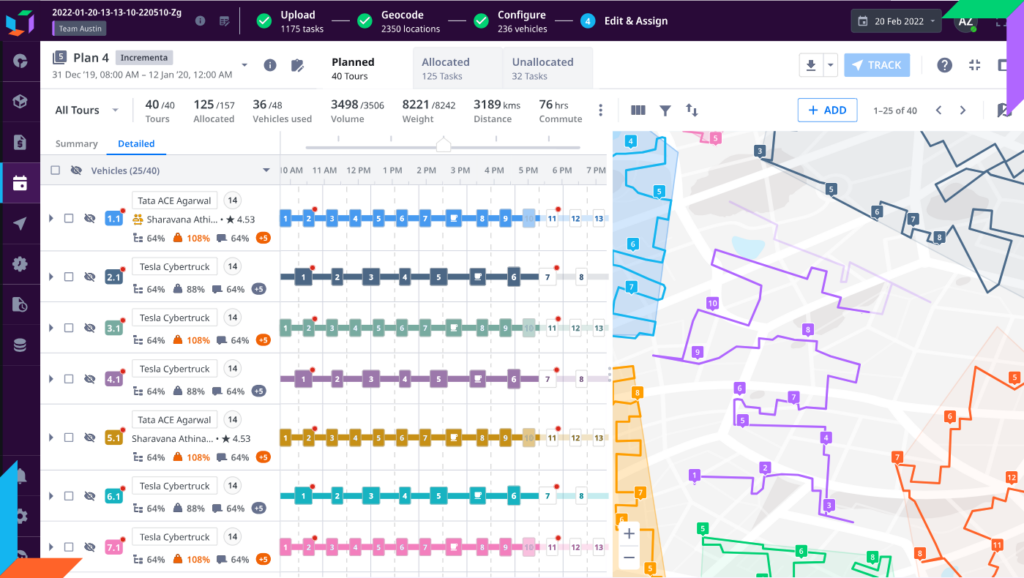
However, as your business grows, manual routing quickly becomes inefficient. Once you start dealing with multiple drivers, varying delivery times, or frequent on-demand orders, advanced route optimization software becomes essential to automate dispatch, balance workloads, and reduce delivery costs.
When to Use a Route Optimization Software as an Alternative to Google Maps
Google Maps works well for small delivery operations, but it quickly reaches its limits once your business starts scaling. When you’re managing multiple vehicles, tight delivery windows, or growing order volumes, manual planning becomes slow and prone to costly mistakes.
This is when route optimization software becomes the smarter alternative. You should consider switching when your operations involve:
1. Routing Constraints
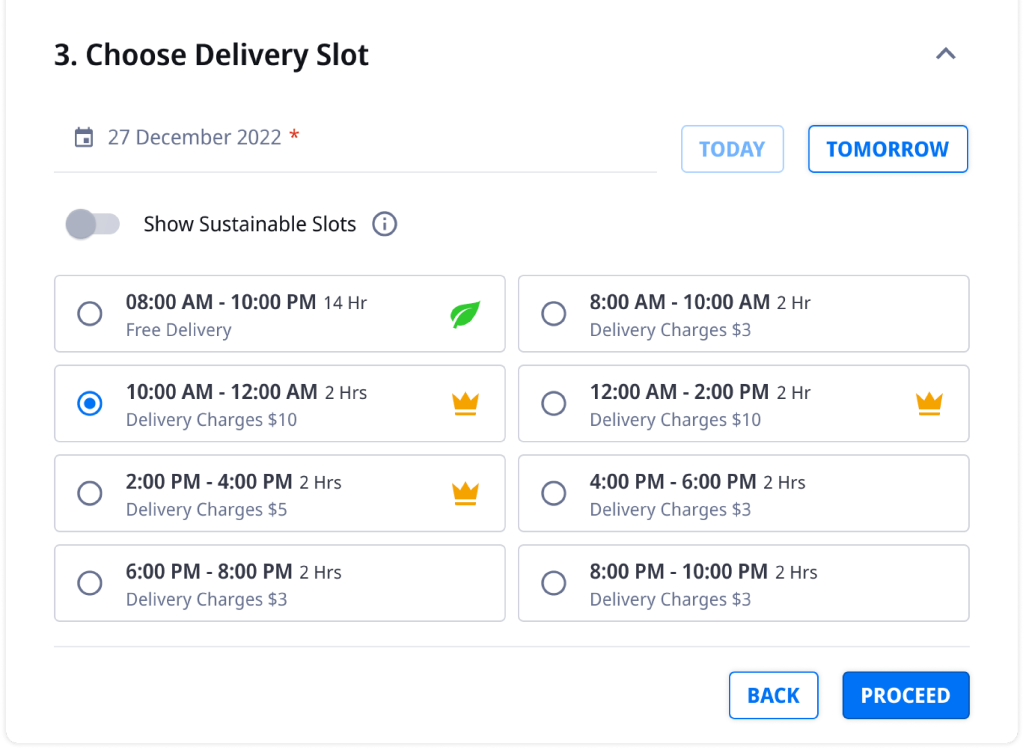
If your deliveries must follow specific time windows, vehicle load limits, or customer-based preferences, you need a system that can automatically factor these into every plan. Route optimization platforms calculate the most efficient path while meeting all these business conditions.
2. Multiple Drivers or Larger Fleets
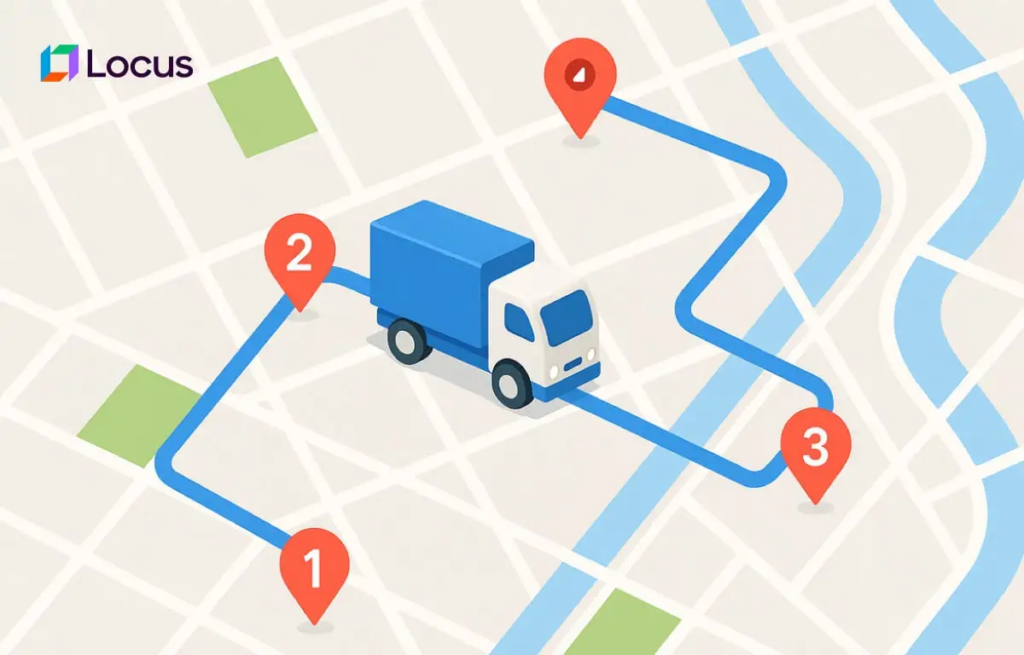
When you have several drivers, balancing stops fairly and preventing overlaps is nearly impossible manually. Multi-stop route planners distribute tasks based on location, capacity, and driver availability to maximize fleet productivity.
3. Dynamic or On-Demand Deliveries
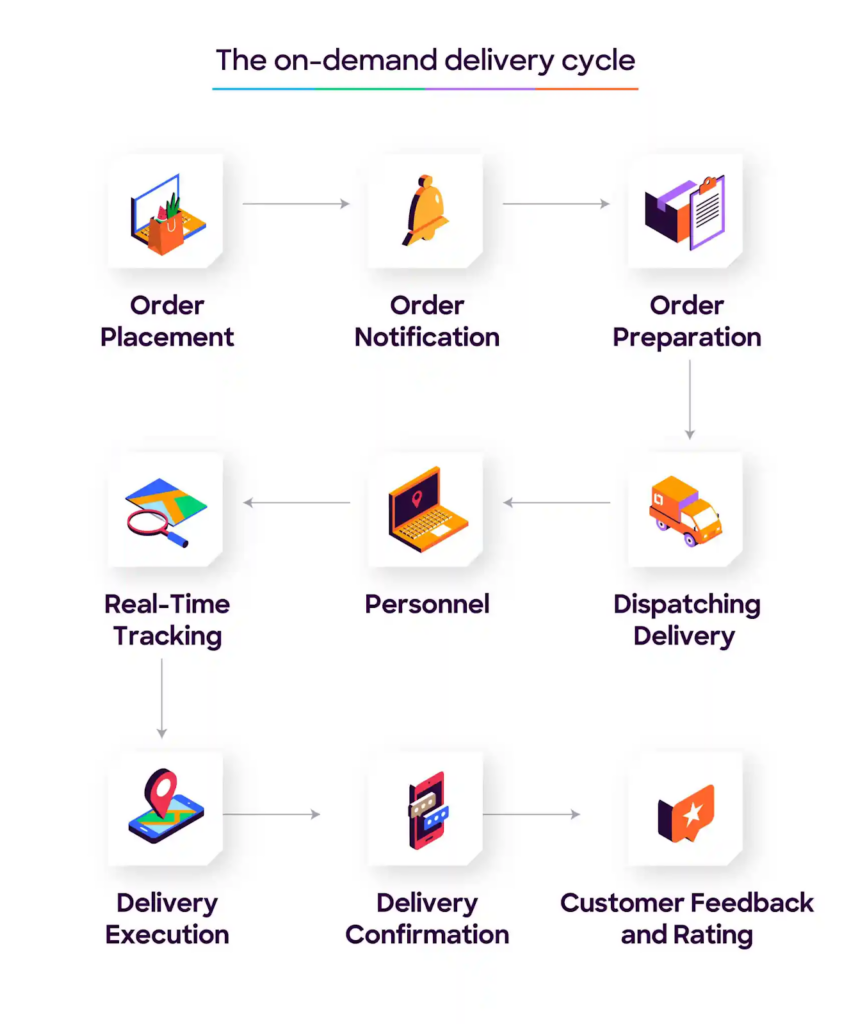
In industries like e-commerce, groceries, and courier logistics, routes often change during the day. With the help of on-demand delivery, route optimization software automatically reroutes drivers, updates ETAs, and minimizes empty miles.
4. Tracking and Customer Visibility
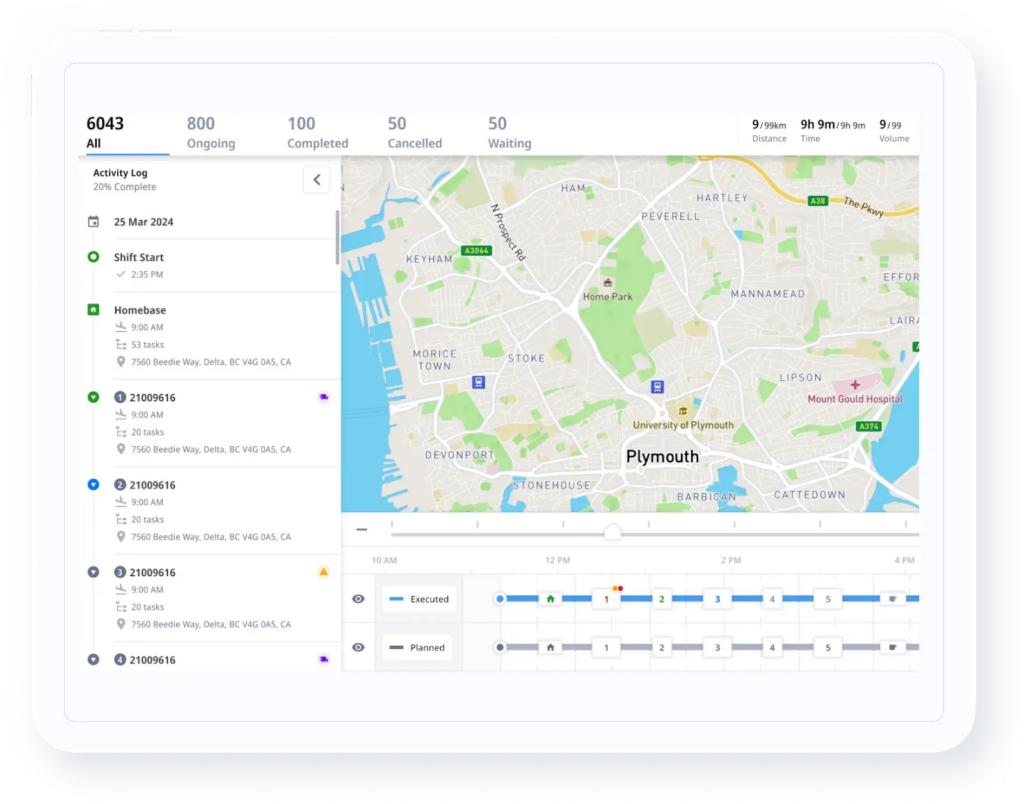
Real-time monitoring and instant updates help reduce delays and improve service quality. Solutions like Locus provide end-to-end visibility through live tracking and predictive alerts.
5. Cost Efficiency and Scalability
According to McKinsey, embedding AI in distribution operations can lead to 5–20% reductions in logistics costs and 20–30% reductions in inventory levels. Tools such as Locus’s route optimization platform turn these insights into measurable savings as businesses scale.
In short, once your deliveries exceed basic routing needs, route optimization software becomes vital for reliable, data-driven logistics management.
Route Optimization Business Constraints
Route Optimization software caters to the dynamic needs of modern enterprises across various industries to offer more than just accurate route planning. It takes into consideration a number of business constraints, in addition to real-time traffic and road conditions to offer logistics optimization at various levels, thereby adding value to the supply chain.
- Vehicle Allocation: Companies that deal with hundreds of shipments on a daily basis often find it challenging to utilize their vehicles efficiently. Manual vehicle allocation leads to unfair vehicle load distribution. Route Optimization can offer accurate allocation of orders per vehicle used and the optimal fleet mix depending on the size and volume of orders.
- Rider Allocation: Another common setback in logistics is the fair allocation of tasks to riders and delivery executives. Route Optimization studies historical data and considers rider locations, skills, preferences, and tribal knowledge to assign tasks equally among fleet drivers and delivery agents, ensuring fairness in workforce management.
- On-Demand Routing: General mapping software does not consider business-specific constraints such as on-demand routing and dynamic re-routing. Route Optimization takes into account ad hoc demands and reroutes quickly, removing the hassle of manually entering new addresses and can accommodate forward and reverse logistics requirements within a single journey.
Limitations of Google Maps in Delivery Operations
Google Maps is a powerful navigation tool, but it isn’t designed for the complexity of last-mile logistics. As delivery networks scale, the platform’s basic routing capabilities often become a constraint rather than a solution.
1. No True Route Optimization
While Google Maps allows multiple stops, it doesn’t automatically optimize the stop sequence. It ignores variables such as delivery time windows, vehicle capacity, and priority orders, resulting in longer routes, higher fuel use, and missed SLAs.
2. Limited Fleet Coordination
Google Maps is built for individual navigation, not multi-driver operations. It can’t allocate routes across several vehicles or manage driver schedules. This forces dispatchers to coordinate manually, increasing workload and risk of overlap or missed deliveries.
3. No Integration with Logistics Systems
There’s no built-in link to order management, inventory, or tracking platforms. Without integration, dispatchers and drivers rely on separate tools, causing data silos and fragmented visibility across the supply chain.
4. Inability to Handle Business Constraints
The app cannot plan around restrictions like restricted zones, peak-hour traffic, or specific customer preferences. For industries like groceries, pharmaceuticals, or meal deliveries—where timing and compliance are critical—these gaps can severely affect performance.
5. Lack of Real-Time Control and Visibility
Google Maps offers turn-by-turn navigation but not centralized fleet tracking or performance analytics. Dispatchers cannot monitor progress or intervene in real time when delays occur.
Benefits of Route Optimization
? Time and Cost Savings
Businesses in the supply chain face cut-throat market competition and need solutions that can help them scale their operations while reducing costs and saving time. With the help of Route Optimization, you can plan the most cost-effective delivery routes and reduce fuel costs by up to 30%.
Route Optimization saves time not just on the road but also for logistics managers who would otherwise spend several man-hours on planning deliveries manually and coordinating with on-ground staff.
? Smart Dispatch Planning
When you have hundreds of packages to deliver in a day with more than a handful of drivers and fleet, manually planning dispatches may not be a great idea. Route Optimization software can help you plan daily dispatches effortlessly with intelligent clubbing of orders and smart rider allocation.
Route Optimization recommends the best-suited vehicles based on traffic, shipment size, volume, vehicle type, stop durations, delivery times and more. It also considers rider skills, preferences, and historical data to assign ideal dispatches to delivery partners.
? Enhanced Visibility in Logistics
A major challenge for supply chain managers is ensuring every order reaches the client as planned, and avoiding unnecessary delays in transit. While it is a pain to coordinate with riders and delivery agents over calls and texts, Route Optimization software solves the problem with the help of live fleet tracking and predictive alerts in case of unnecessary halts, and deviations from planned routes thereby reducing frauds in logistics operations. Real-time tracking of fleet and live status updates bring more visibility in the supply chain and enable better decision-making for logistics managers.
? Improved Productivity
Implementing a Route Optimization solution can improve supply chain productivity in many ways. It helps in reducing the time spent on planning routes and the number of miles traveled per driver. The time saved can be used to accommodate on-demand orders and dispatches. Smart clubbing of orders improves the utilization of fleet and automated routing improves driver performance as they can concentrate on driving and not on navigating.
? Customer Satisfaction
At the end of the day, the ultimate goal of every business is to make the customer happy. Route Optimization ensures that your deliveries are completed in time, shares live delivery updates and ETAs with customers, thereby increasing customer satisfaction and loyalty towards your brand.
Do you actually need Route Optimization?
Google maps route optimization software and other route navigation tools can help you plan basic routes efficiently. But when you have multiple drivers who hit the road at different times of the day and varied fleet sizes and order volumes, you need more than just a web mapping service. You need an advanced route optimization solution that can streamline your logistics from end-to-end.
Businesses across industries such as retail, FMCG, 3PL, and e-commerce are now implementing smart routing and fleet tracking solutions. Do you actually need Route Optimization software for your business needs? If you wish to scale up your logistics, stand out among competitors in the market and improve your customer delight, then certainly yes! Request a demo!
Frequently Asked Questions (FAQs)
What is the key difference between route optimization software and Google Maps?
Route optimization software uses advanced algorithms and machine learning to plan the optimal sequence of multiple stops, considering various real-world constraints like vehicle capacity, driver skills, time windows, and traffic conditions. In contrast, Google Maps is primarily designed for simple point-to-point routing and may not provide the most efficient routes for complex logistics operations involving numerous stops and business-specific requirements.
How does route optimization software handle challenges like vehicle allocation and rider assignment?
Route optimization software intelligently allocates orders to the optimal vehicles based on factors like order size, vehicle capacity, and fleet mix. It also fairly assigns tasks to delivery riders by considering their locations, skills, preferences, and historical performance data. This ensures efficient utilization of resources and workforce while adhering to business constraints.
What are the key benefits of using route optimization over basic route mapping tools?
Route optimization software offers significant time and cost savings by planning the most efficient delivery routes, reducing fuel consumption and miles traveled. It enables smart dispatch planning, enhances visibility through live tracking, improves fleet and driver productivity, and ultimately leads to better customer satisfaction through timely deliveries and transparent communication.
How does route optimization account for dynamic changes and on-demand requirements?
Advanced route optimization solutions can accommodate ad-hoc demands and re-route dynamically, adjusting to real-time changes without the need for manual intervention. They can handle both forward and reverse logistics requirements within a single optimized route, ensuring flexibility and responsiveness in logistics operations.
How can Locus’s route optimization solutions specifically address the challenges discussed?
Locus’s AI-powered route optimization platform, Locus Dispatcher, offers end-to-end logistics automation and optimization capabilities. It uses machine learning algorithms to generate the most efficient routes, considering various real-world constraints like traffic, vehicle types, order characteristics, and service time windows. Locus’s solutions enable businesses to streamline their logistics operations, reduce costs, improve resource utilization, and enhance customer experience through features like real-time tracking, dynamic re-routing, and automated dispatches. With Locus, companies can overcome the limitations of basic route mapping tools and achieve true logistics optimization.

Supply Chain Optimization
What is Logistics Management? & Its Role in Supply Chains

May 31, 2025
Logistics management involves the efficient and effective coordination of various tasks related to the transportation, storage, and delivery of goods.
Read more
Blog
Load Matching in Last-Mile Logistics: Benefits & Key Factors
May 31, 2025
Supply chain management involves the transportation of freight between locations, and load matching is a small but critical aspect that drives supply chain efficiency. Load matching can be understood as the pairing of freight with the most suitable transportation carriers.
Read moreInsights Worth Your Time
















Route Optimization vs Google Maps: Key Differences in 2026